Modern Maximizing ROI in the Local Area
Revitalize Your Space: Crucial Insights Regarding Home Renovation Work for Each House Owner
Homeowners often seek options to upgrade their homes through remodeling services. These renovations extend from small kitchen fixes to full house remodeling. Understanding the options available is necessary to making sound choices. Furthermore, there exist practical considerations including financial planning and selecting the professional contractor. As homeowners commence on this journey, they could face unforeseen difficulties. The key to a successful transformation lies in meticulous preparation and performance. Which actions should follow?
Knowing the Various Categories of Home Remodeling Services

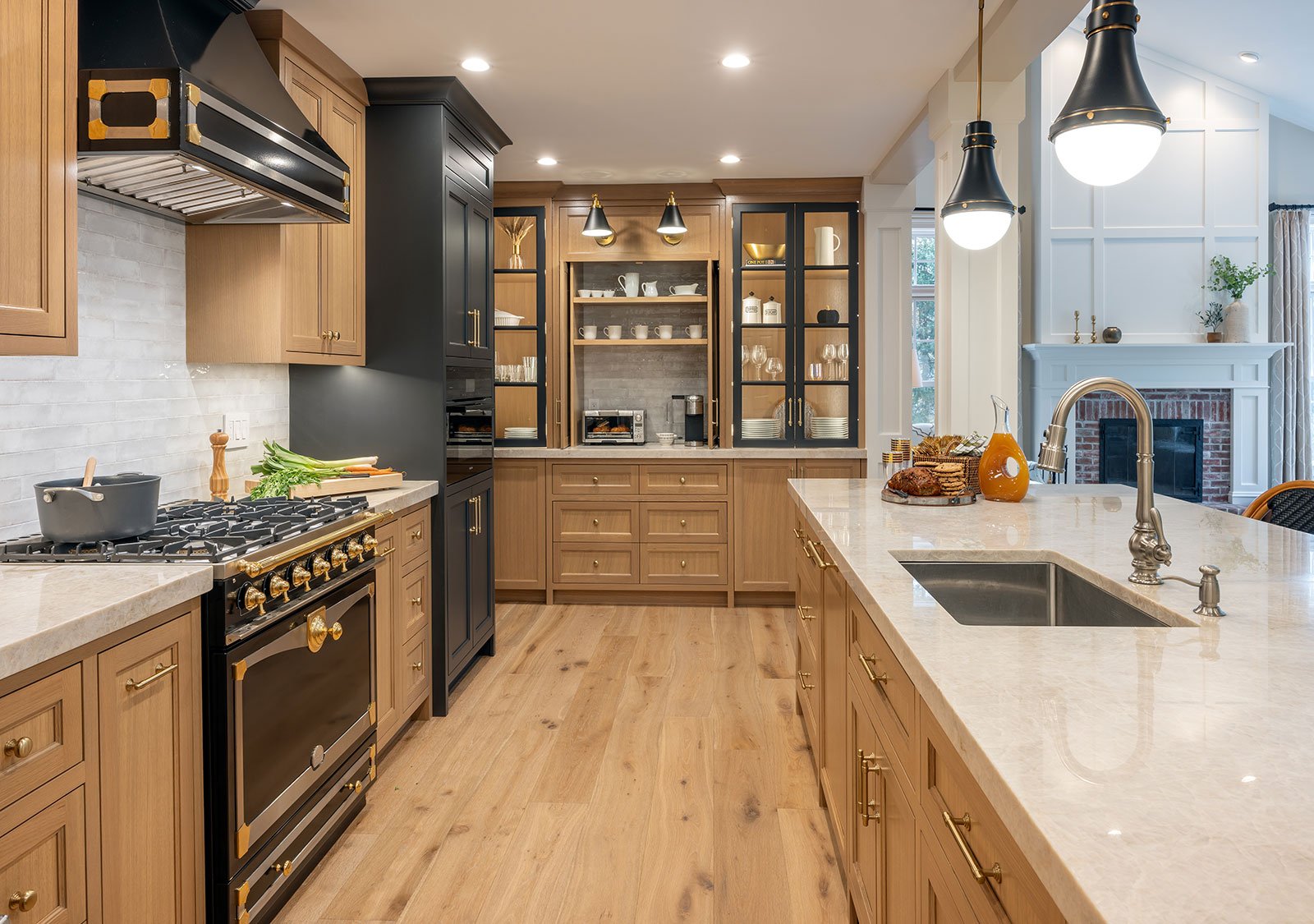
When homeowners consider renovating their residences, they often encounter numerous renovation options suited to various requirements and preferences. These projects are generally grouped essential resource into several types, each focusing on particular areas of home improvement. Kitchen renovations center on upgrading equipment, storage units, and layouts to enhance functionality and visual appeal. Renovating the bathroom usually includes updating the hardware, tiling, and shelving options for better convenience and design.
Whole-home remodeling encompasses extensive modifications to the entire house, often including structural alterations to optimize space and flow. Outdoor renovation projects, conversely, focus on boosting the home's outward appearance, addressing siding, the covering, and landscaping. Moreover, niche projects such as completing the basement and upgrading the attic allow homeowners to maximize neglected parts of the home. Every renovation category delivers specific perks, letting residents pick services that fit their desired outcome for their living environment. Understanding these distinctions is essential when deciding intelligently during the renovation process.
Establishing a Practical Spending Plan for Your Remodeling Project
What steps ensure their home upgrades are kept financially viable? Developing an achievable budget is essential. Property owners must start by assessing their monetary resources, like savings and available loan choices. This initial step allows one to figure out how much can be allocated for the updating project without compromising other financial responsibilities.
Next, homeowners must investigate the expenses linked to their planned updates, taking into account materials, labor, and unexpected costs that frequently occur. Developing a comprehensive priority list will assist in identifying must-haves versus nice-to-haves, allowing for adjustments if the budget tightens.
It is smart to incorporate a reserve fund, typically around 10-20% of the total budget, to account for surprise expenditures. Periodically examining and tweaking the budget as the updating work progresses can further assist in keeping finances in check. Finally, a thoroughly prepared budget does more than just confirm the project can be done but also improves the entire renovation process for property owners.
Choosing the Right Contractor to Suit Your Project.
Finding a suitable builder has a major influence on how well a renovation turns out. Property owners ought to start by performing extensive investigation, asking for referrals from friends, family, or internet reviews. It’s vital to verify credentials, including licenses, insurance, and bonding, to establish credibility.
When prospective builders are located, homeowners should request detailed estimates and timelines, facilitating well-grounded side-by-side evaluations. Interviews provide insight into communication styles and professionalism, which are crucial for working together effectively.
Furthermore, examining previous work via portfolios or referrals shows the builder's standard of work. Homeowners should also inquire about warranties or guarantees, indicating the builder's certainty about their services.
Ultimately, selecting a contractor who aligns with the homeowner’s vision, budget, and timeline leads to a more favorable updating process, ensuring the work fulfills requirements and transforms the living space effectively.
Structuring and Laying Out Your Perfect Area.
As those renovating imagine their desired rooms, careful planning and thoughtful design become essential components of an effective updating job. The first step involves evaluating current needs and future aspirations, to gain a complete comprehension of the area's utility. When planning, homeowners should evaluate practicality, visual appeal, and their individual taste, ensuring that the design reflects their unique preferences.
Next, it is critical to create a detailed budget. This budget should accommodate materials, labor, and contingency funds. Consulting with design experts can offer helpful perspectives, assisting in improving the layout while adhering to budgetary constraints.
Integrating components like natural light, spacious designs, and sustainable materials can elevate the living environment. Lastly, seeing the project via sketches or digital renderings can aid in refining ideas before implementation. By thoughtfully tackling the design and planning stage, homeowners can build a comfortable, effective space customized for their needs.
Understanding Regulations and Permits in Residential Projects
Understanding the complexities of permits and regulations can be daunting for homeowners embarking on a renovation. Every city or county maintains distinct regulations that determine what is allowed during renovations, typically guided by area restrictions, construction standards, and security requirements. Owners need to acquaint themselves with local regulations to prevent expensive penalties or construction hold-ups.
In most cases, getting permits is mandatory for major changes, such as structural changes or electrical work. This process often involves submitting plans for review and may require inspections at multiple points.
Working with a skilled professional can make this procedure easier, as they are usually well-versed in local regulations and can help manage the documentation. Owners must also maintain clear communication with the municipal planning office to verify legality throughout the project. By understanding and maneuvering through these requirements, homeowners can achieve their remodeling goals while guaranteeing that the work is safe and legal in their renovations.
FAQs
What is the Duration of a Standard Home Renovation?
The average remodeling job typically spans three to six months on average, based on the size of the job, size of the home, and availability of materials. Intricate jobs could demand more time for completion.
What are some frequent blunders to avoid while undertaking a remodel?
Common mistakes in the remodeling process include underestimating budgets, not securing the required permissions, missing scheduled deadlines, failing to communicate effectively with the construction team, and not considering long-term functionality. Knowing these potential problems helps ensure a smoother, more successful remodeling experience.
How should I go about choosing the right materials for the job?
Choosing the right materials means considering how long they will last, the look and feel, and budget. Investigating available choices, consulting professionals, and thinking about upkeep will significantly help to make smart choices, to guarantee the project fits your needs and preferences.
Is it possible to stay in my house during renovations?
Yes, one can live in the house while work is ongoing, but it could be uncomfortable. Thorough preparation, effective coordination with the renovation team, and creating defined spaces for essential activities can lessen the stress while the work is underway.
What warranties should I expect by my builders?
Clients typically receive warranties that guarantee the quality of the work, the products installed, and key building elements, often covering a period of one to ten years. It is crucial to review the fine print and details with contractors to know the full extent of the guarantee and its restrictions.